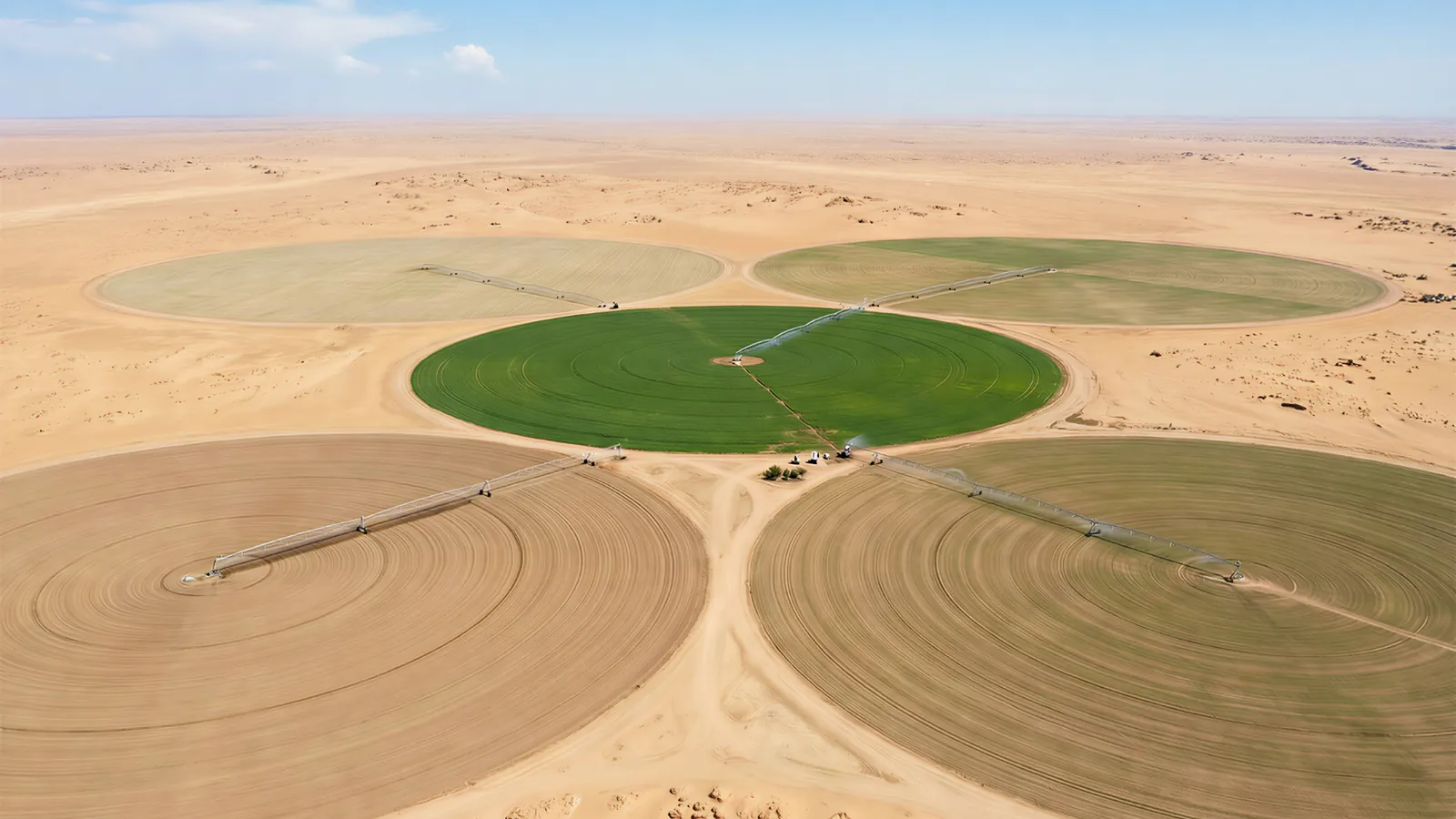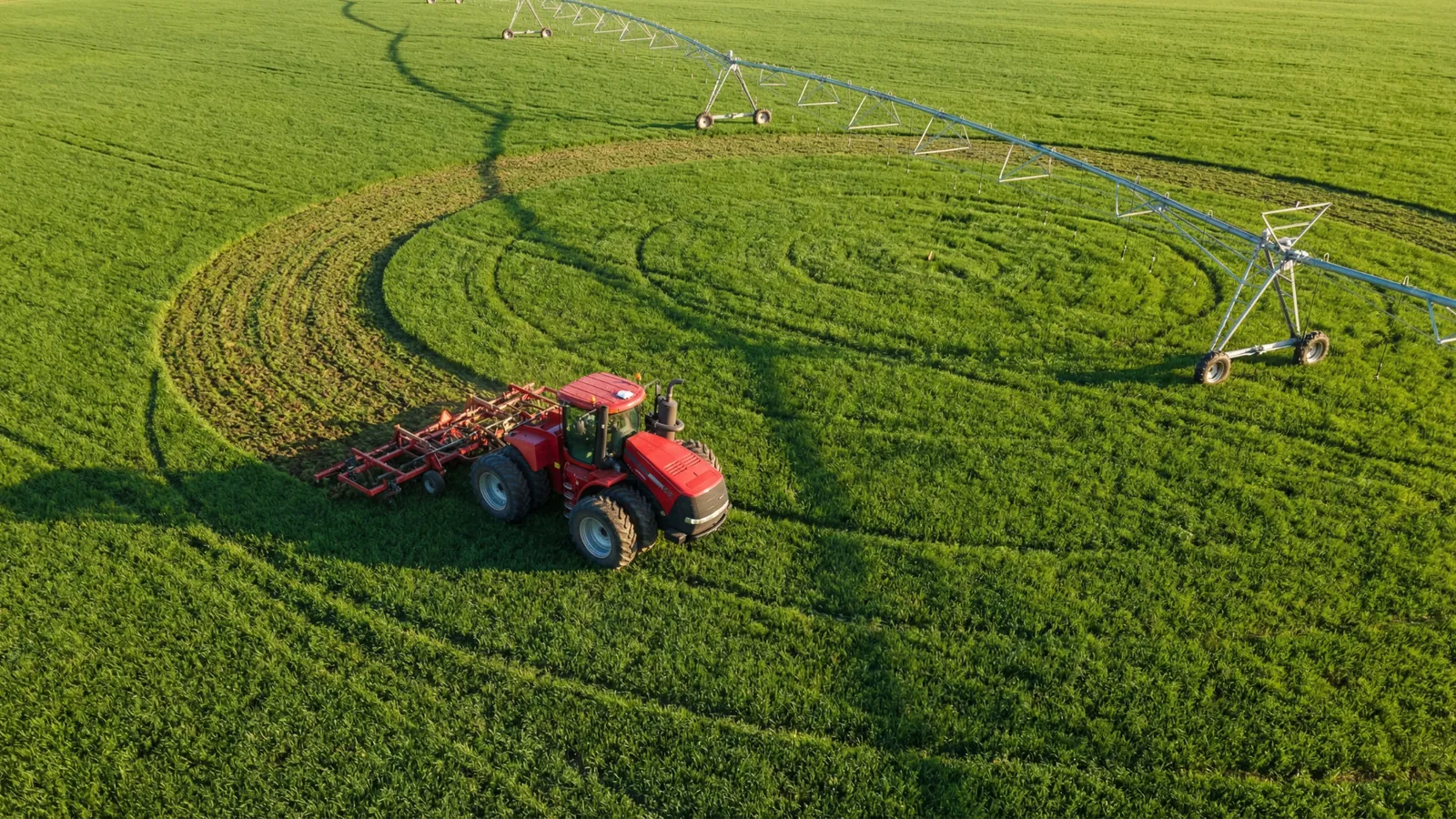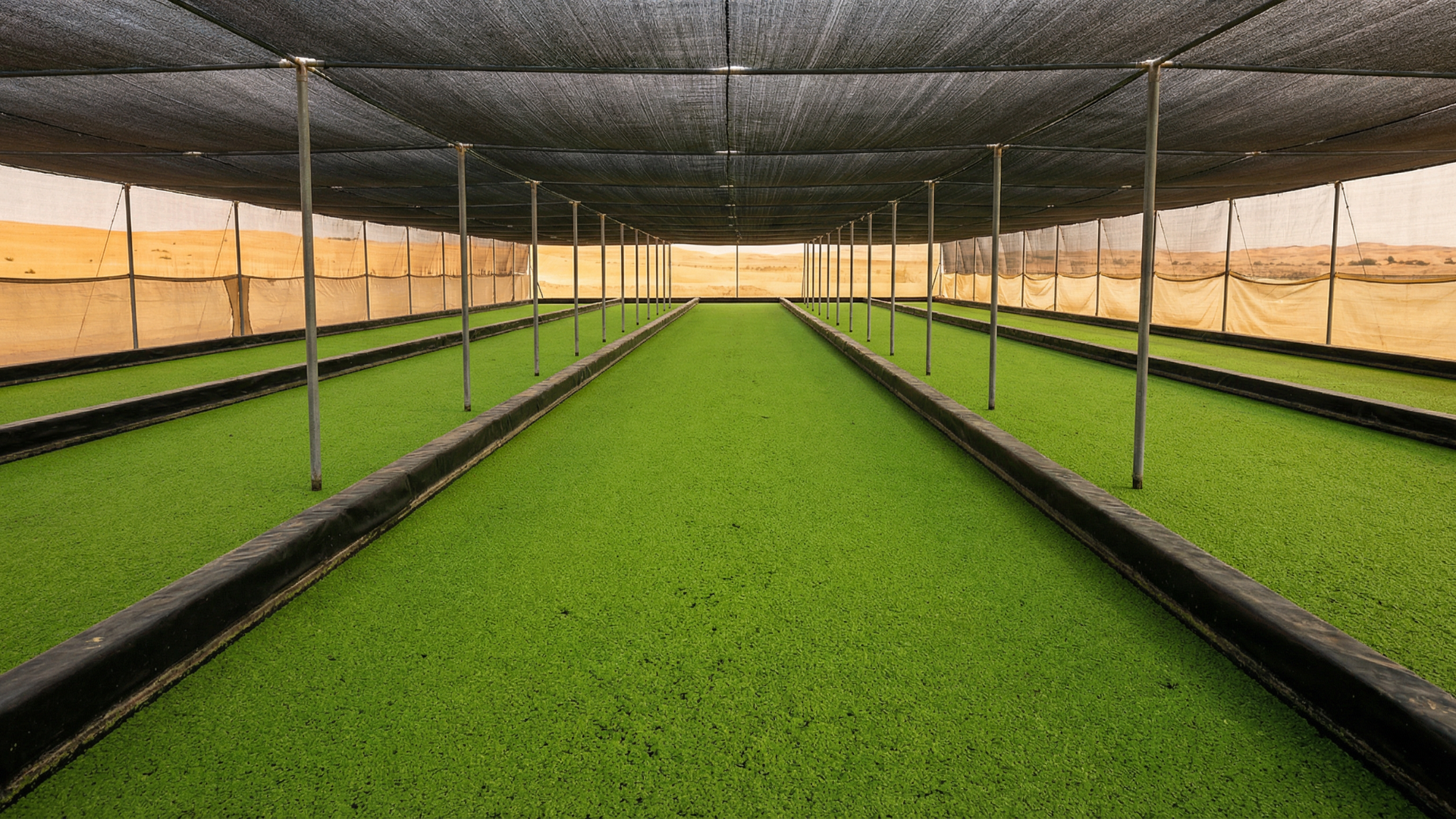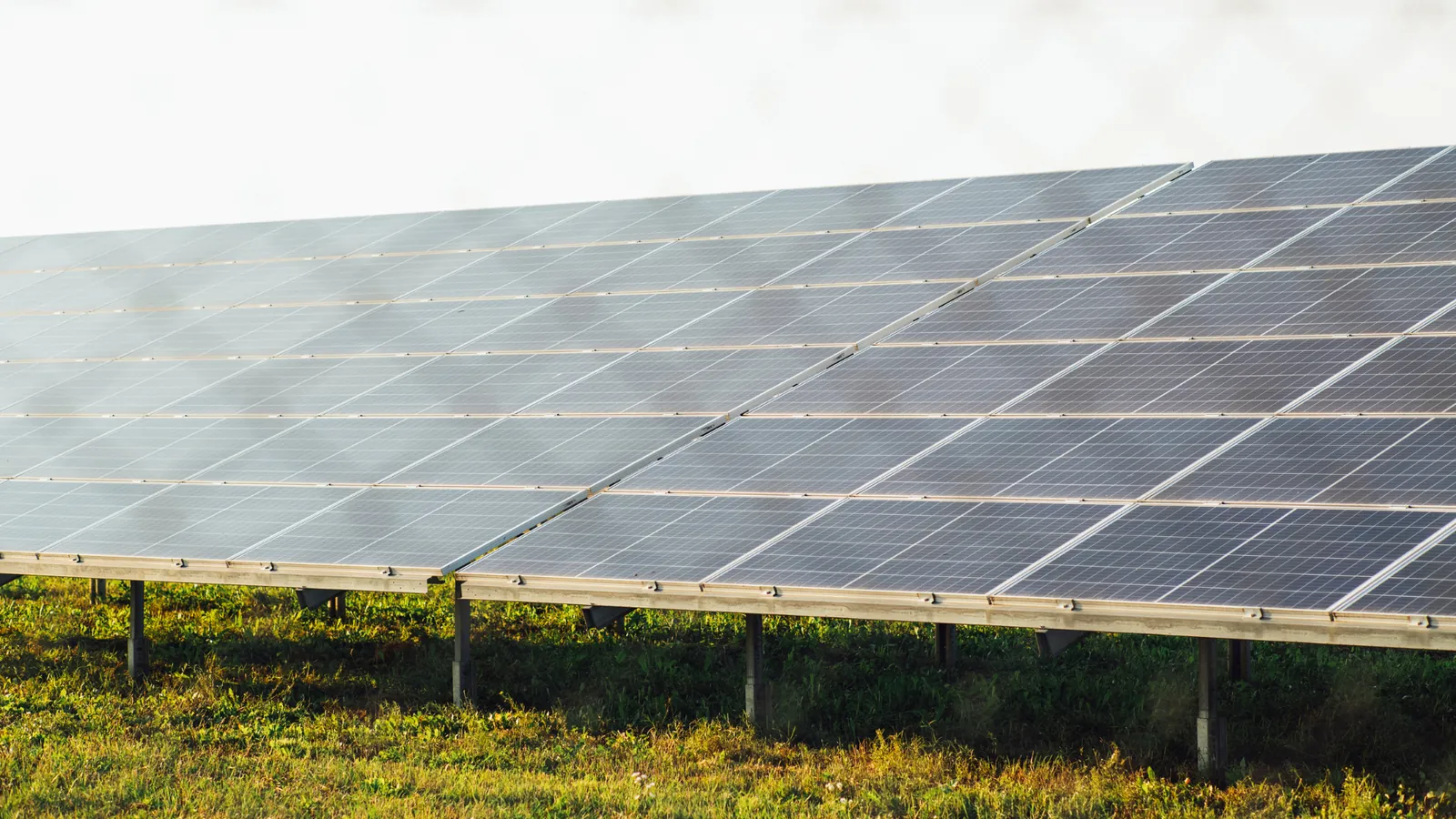
We believe emergency aid saves lives, but it’s not enough on its own. UMMA Farm was created after years of frontline relief, to grow food and income that support families for the long term.
The Reality
Why Charity Alone Is Not Enough
Emergency aid saves lives. But when help depends only on donations, its impact rises and falls with funding. When donations slow, food slows, and families are left waiting again.
The issue isn’t generosity. People give. The issue is dependency. Real change requires systems that keep working, even when donations don’t.
UMMA Farm was created as a natural extension of Umma Foundation’s work. It does not replace emergency relief, but strengthens it by reducing long-term reliance on donations. The goal is to make sure help can continue, even when funding slows or crises last longer than expected.
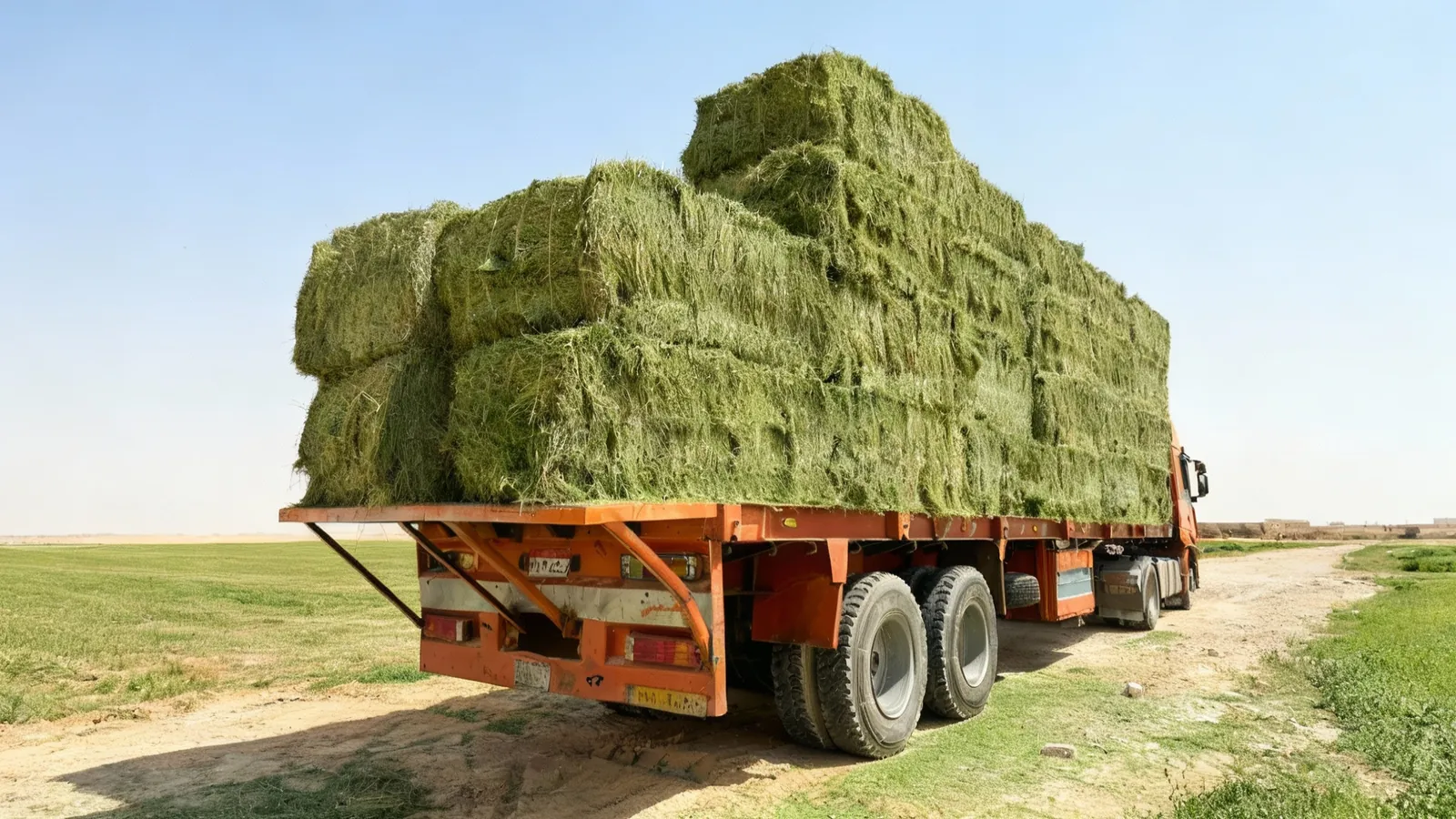
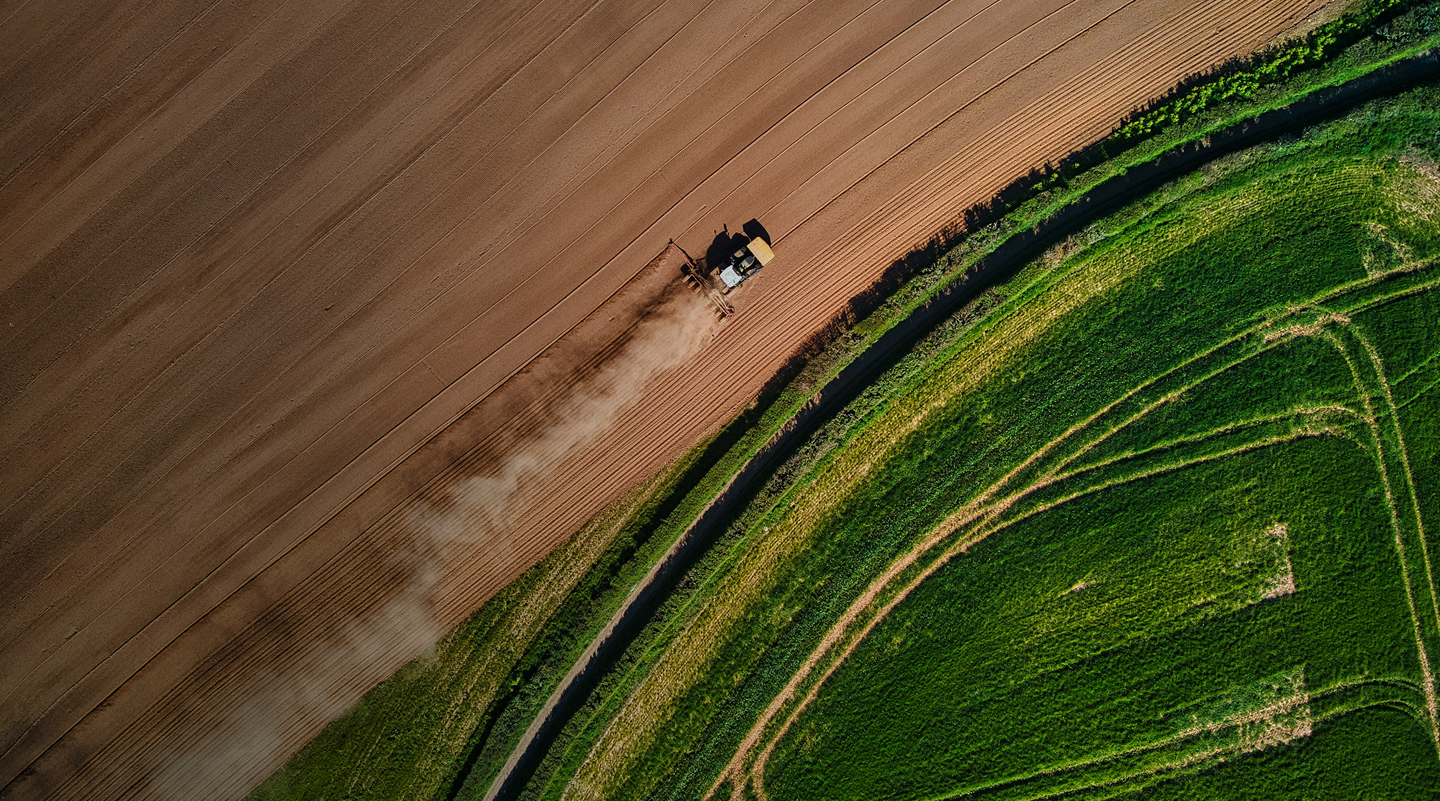
The farm is designed as a working system that produces food, creates jobs, and generates income. This income is reinvested directly into humanitarian operations, allowing Umma Foundation to support families in a more stable, consistent, and sustainable way.
The System
A Self-Sustaining Humanitarian Engine
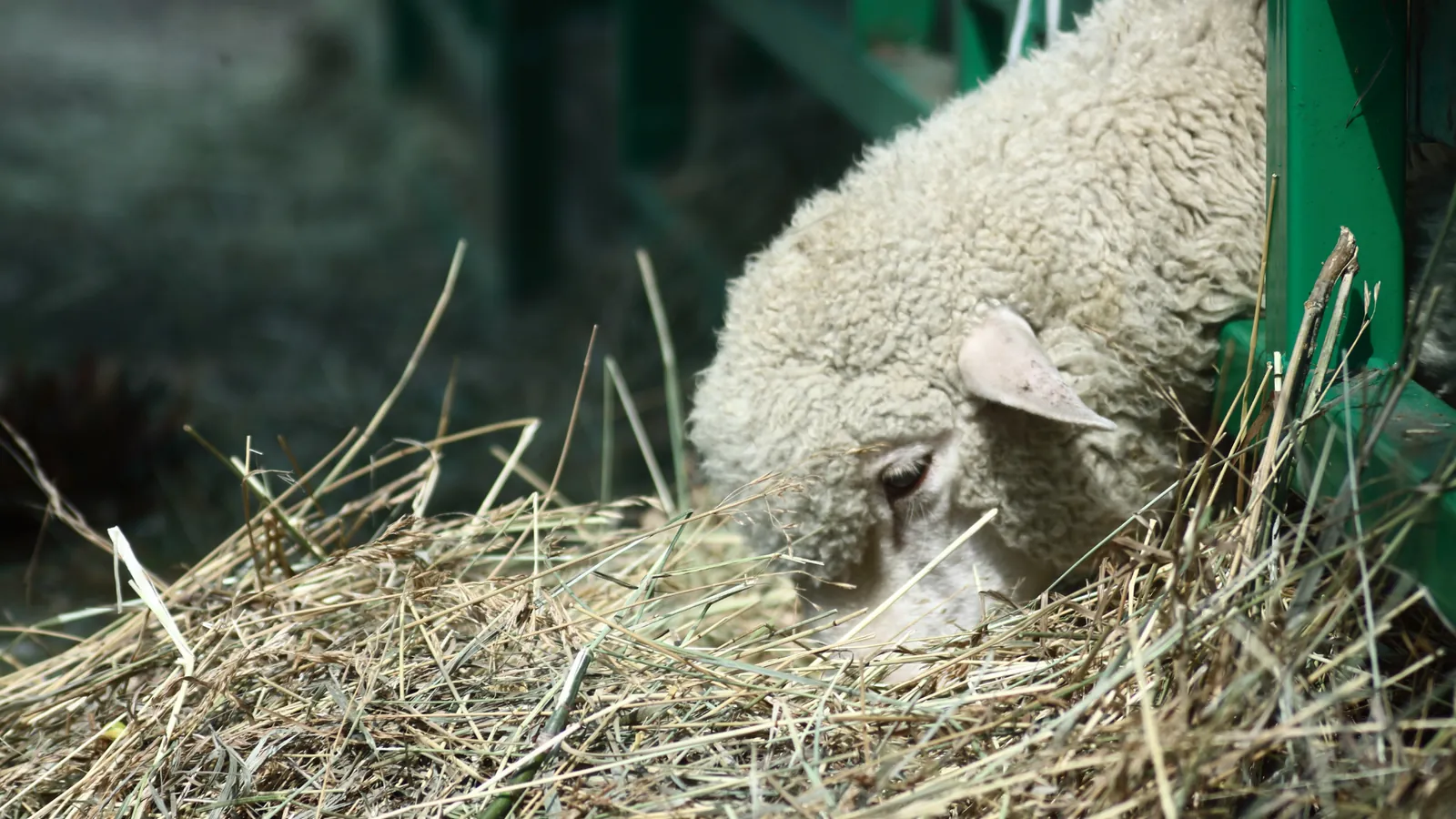
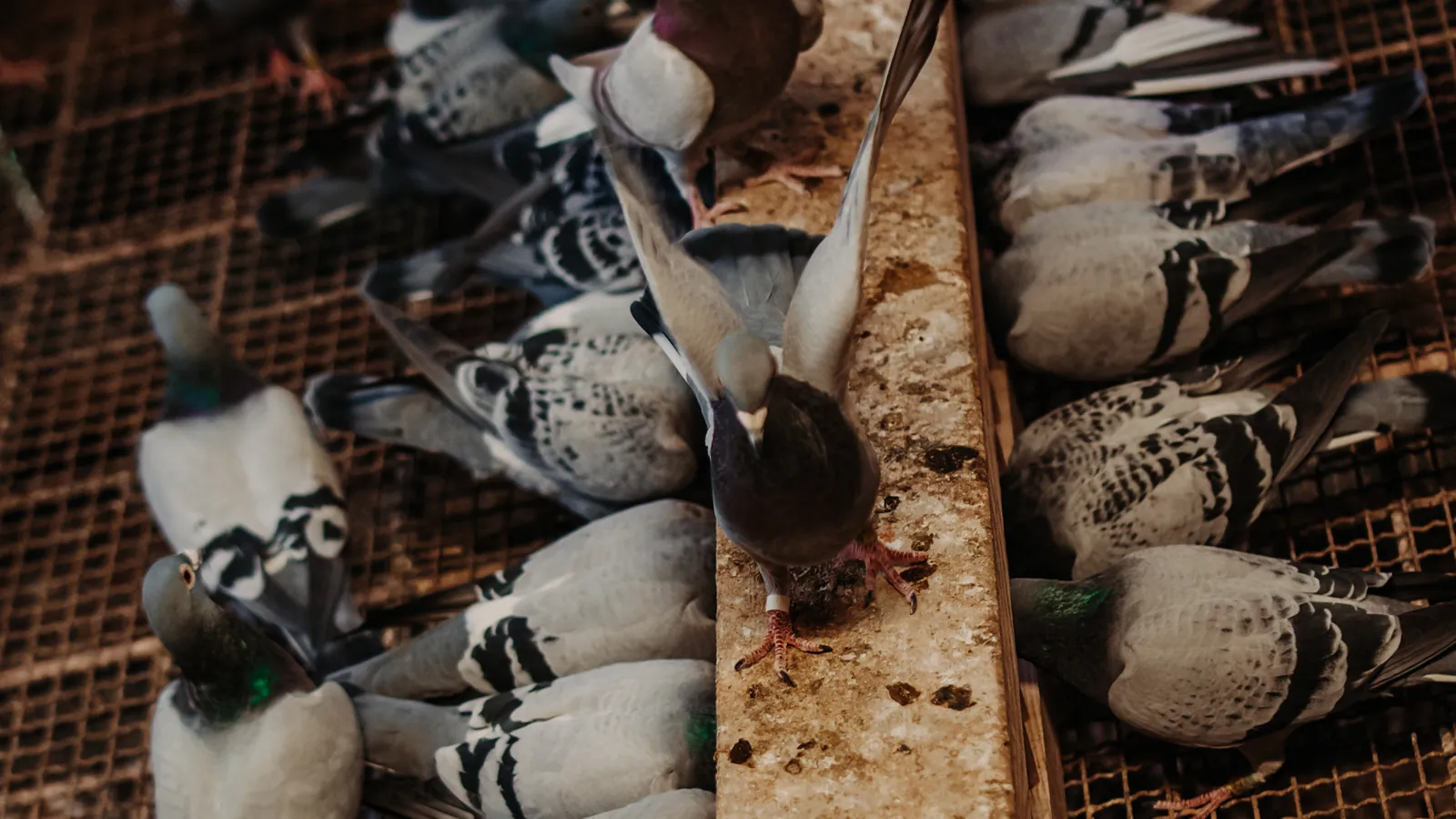
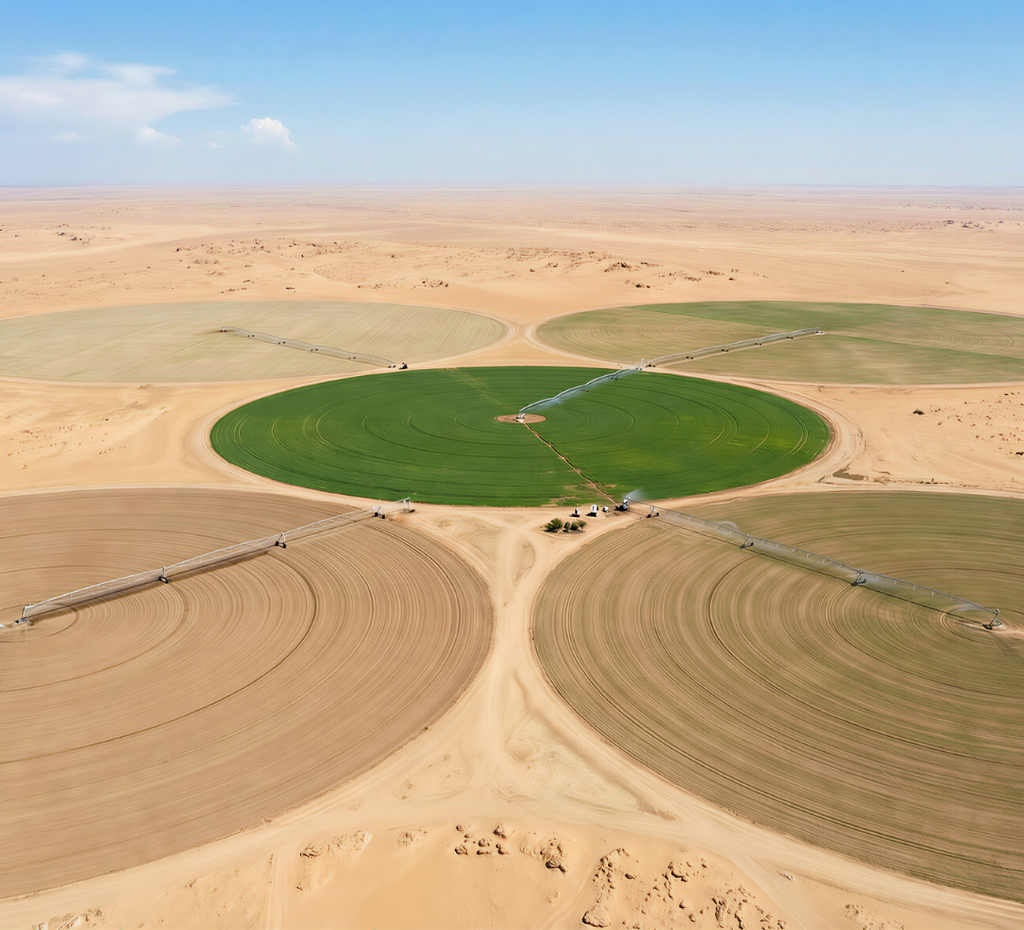
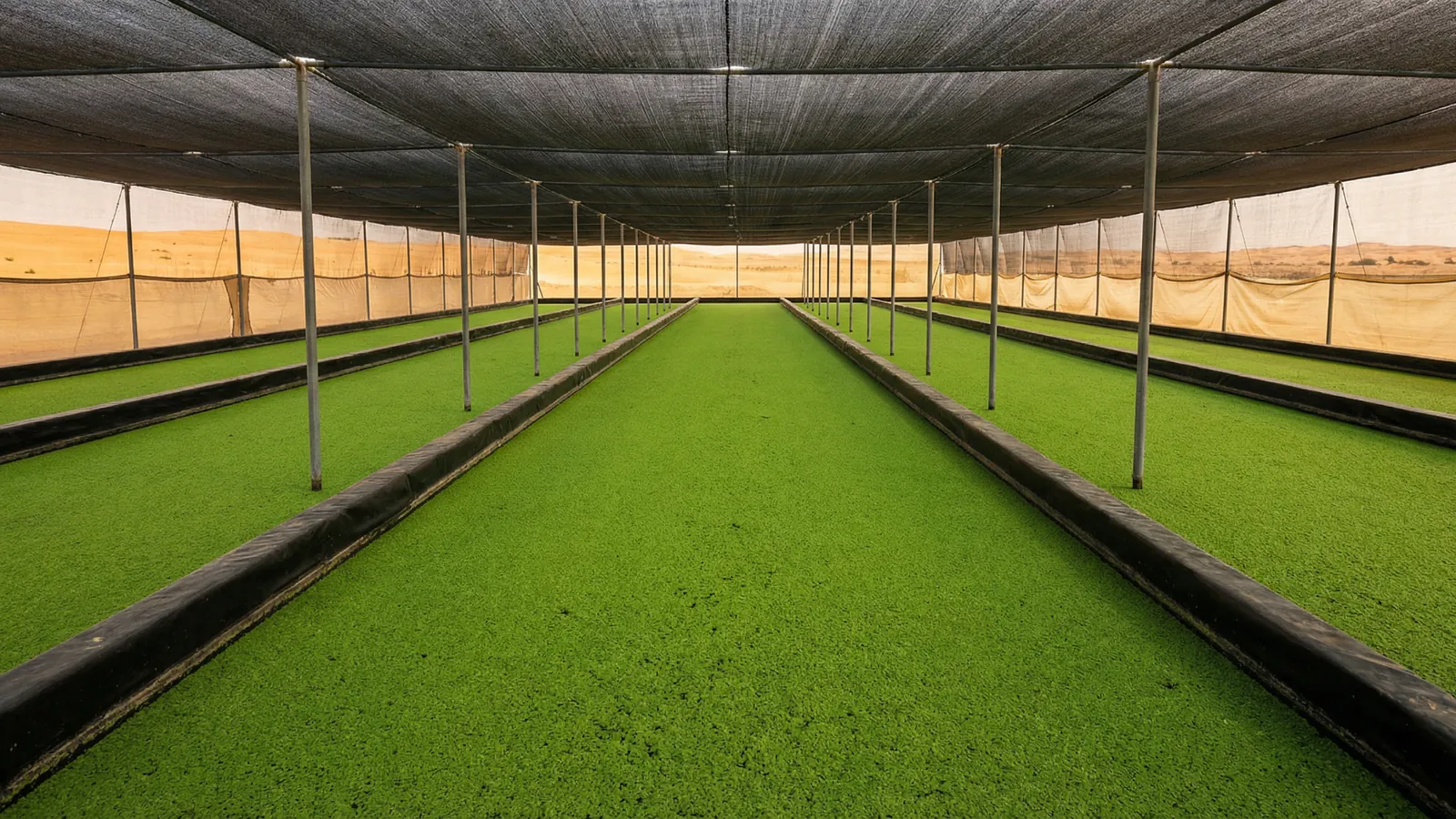
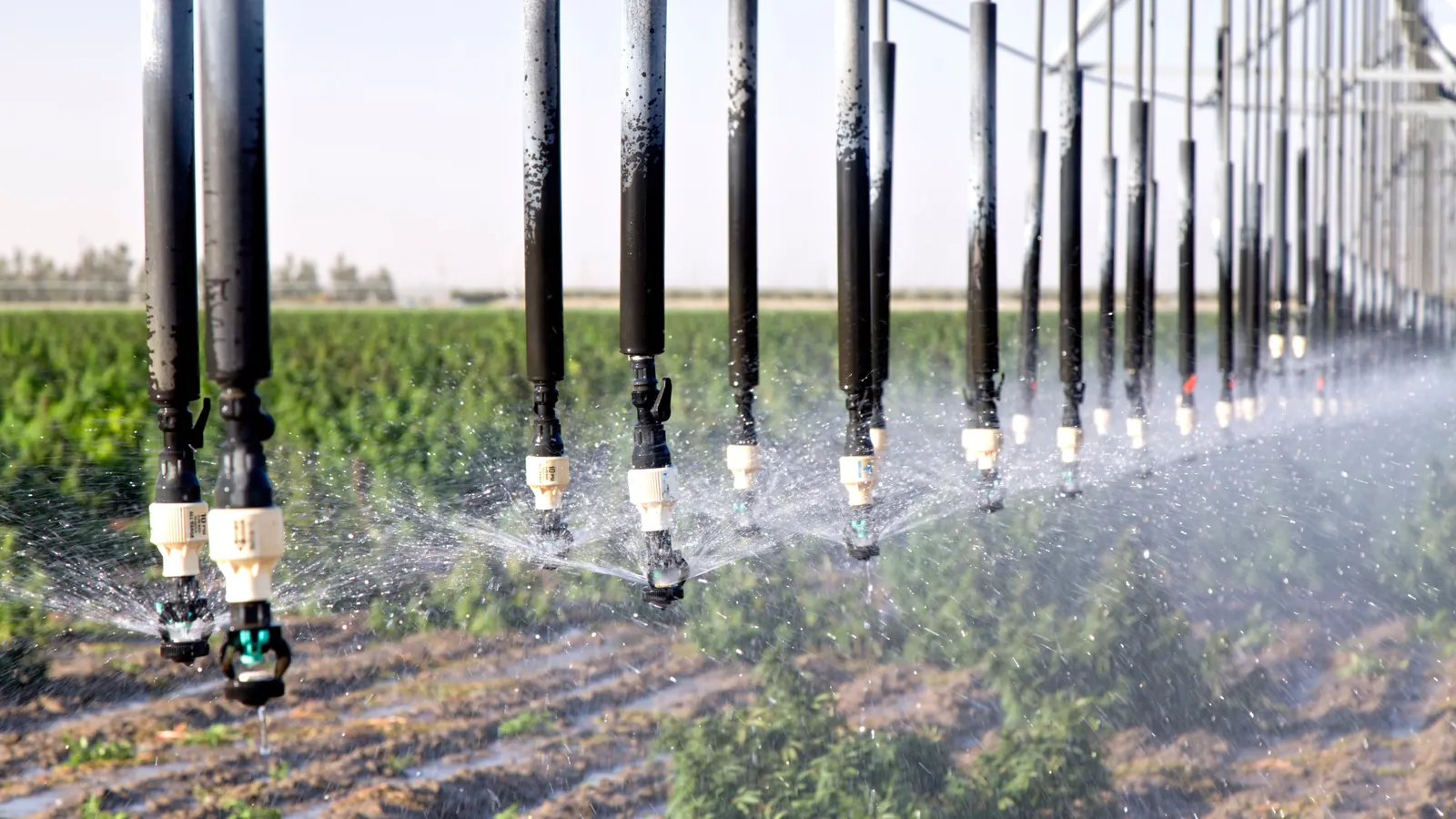
UMMA Farm integrates agriculture, livestock, and infrastructure into one connected system that keeps working long after the initial investment.
Integrated System
Every component works together, water feeds land, land produces food, food generates revenue, revenue funds relief.
Self-Sustaining
The cycle repeats indefinitely, reducing dependency on external donations while scaling impact.
Success for UMMA Farm means humanitarian relief that no longer pauses when donations slow down. It means food production that continues year after year, jobs created locally, and revenue reinvested into saving lives globally.