
How to Start a Community Garden: A Step-by-Step Guide for Muslim Communities
.webp)
UMMA Farm Team
Why Community Gardens Matter
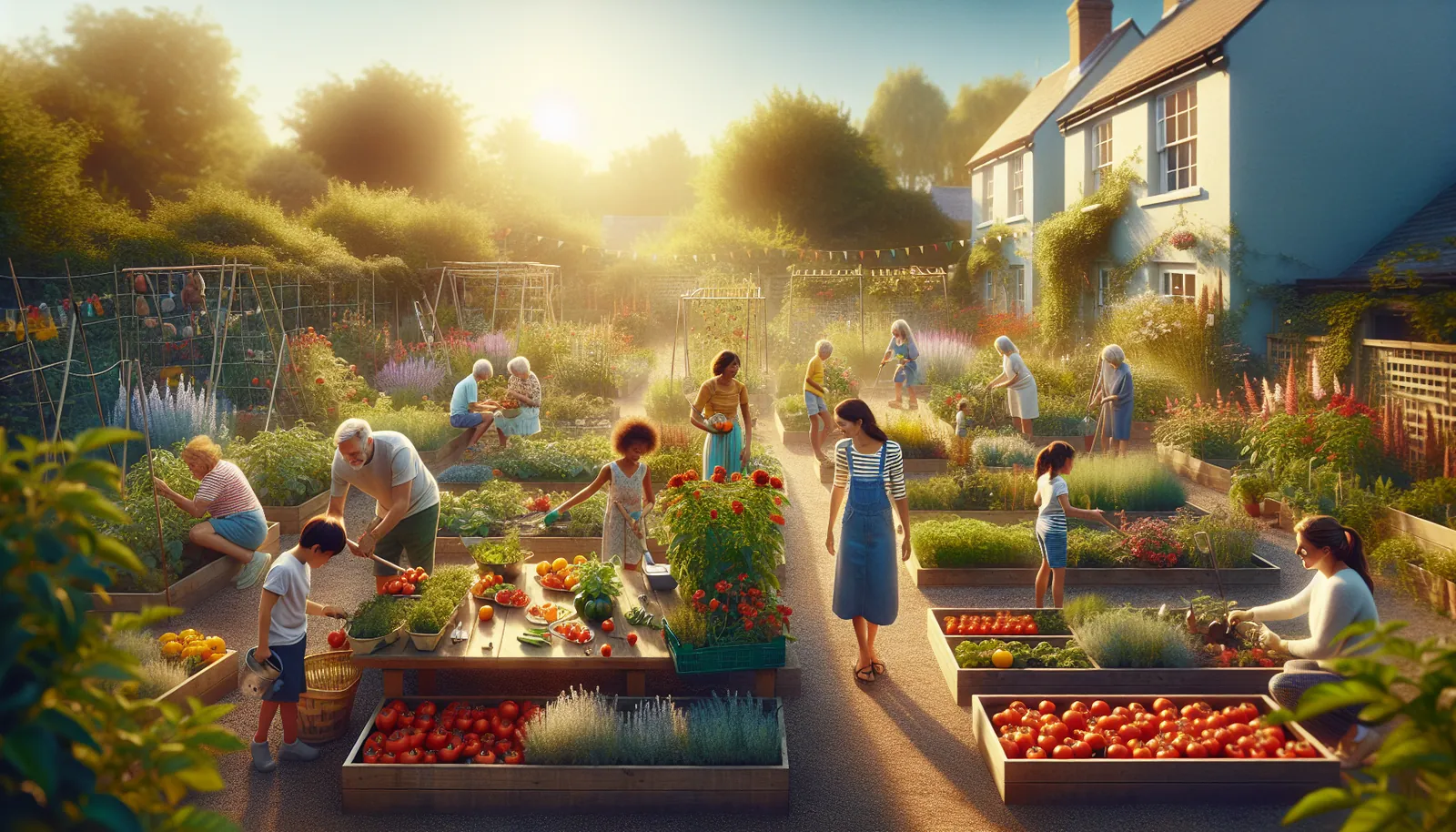
Community gardens do more than grow food. They grow connections. In Muslim communities, a shared garden space can serve as a gathering point for families, an educational space for children, and a practical implementation of Islamic agricultural values.
The Prophet (peace be upon him) said: "There is no Muslim who plants a tree or sows a seed, and then a bird, or a person, or an animal eats from it, except that it is regarded as charity for him." (Bukhari & Muslim)
Step 1: Build Your Team
You need at least 3-5 committed people to start. Approach your masjid board, youth group, or local Islamic center. Key roles:
- Coordinator: Manages logistics and communication
- Garden lead: Someone with gardening experience (or willingness to learn)
- Outreach: Recruits participants and builds community engagement
Step 2: Find Land
Options include:
- Unused space at your masjid or Islamic center
- City-owned vacant lots (many cities have community garden programs)
- School grounds (partner with a local school)
- Private land offered by a community member
Step 3: Plan Your Garden
- Size: Start small — even 500 square feet can produce significant food
- Layout: Raised beds are easiest for beginners
- Crops: Start with easy-to-grow vegetables your community eats
- Water: Ensure reliable water access
Step 4: Fund It
- Community fundraiser at the masjid
- Local grants (many cities fund community gardens)
- In-kind donations (tools, seeds, soil, lumber)
- Partner with local nurseries or garden centers
Step 5: Grow and Share
The best part: harvesting and sharing. Dedicate a portion of your harvest to families in need — making your garden a community-wide sadaqah jariyah project.
From Community Garden to UMMA Farm
UMMA Farm started with the same vision — using agriculture to serve the community and fund humanitarian relief. Whether you're gardening in your backyard or supporting a large-scale farm, the principle is the same: grow food, serve people, honor the Sunnah.