How Livestock Farming Feeds Communities and Funds Humanitarian Relief
.webp)
UMMA Farm Team

More Than Meat
When most people think of livestock farming, they think of meat. But a well-managed livestock program produces far more than that — it's a multi-output system that creates food, income, fertilizer, and community resilience.
What UMMA Farm's Livestock Program Produces
- Meat: Distributed to families in need + sold commercially
- Dairy: Milk, cheese, and yogurt for nutrition programs
- Breeding stock: Animals that produce more animals — compound growth
- Manure: Natural fertilizer for crop fields (closing the nutrient loop)
- Wool/hides: Additional income from secondary products
- Qurbani animals: Available for Eid al-Adha sacrifice and distribution
The Compound Effect of Livestock
Here's what makes livestock unique among agricultural programs: animals reproduce. Start with 10 goats, and within 2-3 years you could have 30-50. Each generation increases your production capacity without requiring additional investment.
This compound growth is why livestock has been one of the most reliable forms of wealth building throughout human history — and why it's central to UMMA Farm's self-sustaining model.
Food Security at Scale
Livestock provides some of the most nutrient-dense food available:
- High-quality protein essential for child development
- Iron, zinc, and B12 — nutrients often lacking in food-insecure communities
- Dairy products that provide calcium and calories
When UMMA Farm distributes meat and dairy to communities in need, it's not just filling stomachs — it's addressing malnutrition with the most effective foods available.
From Farm to Relief
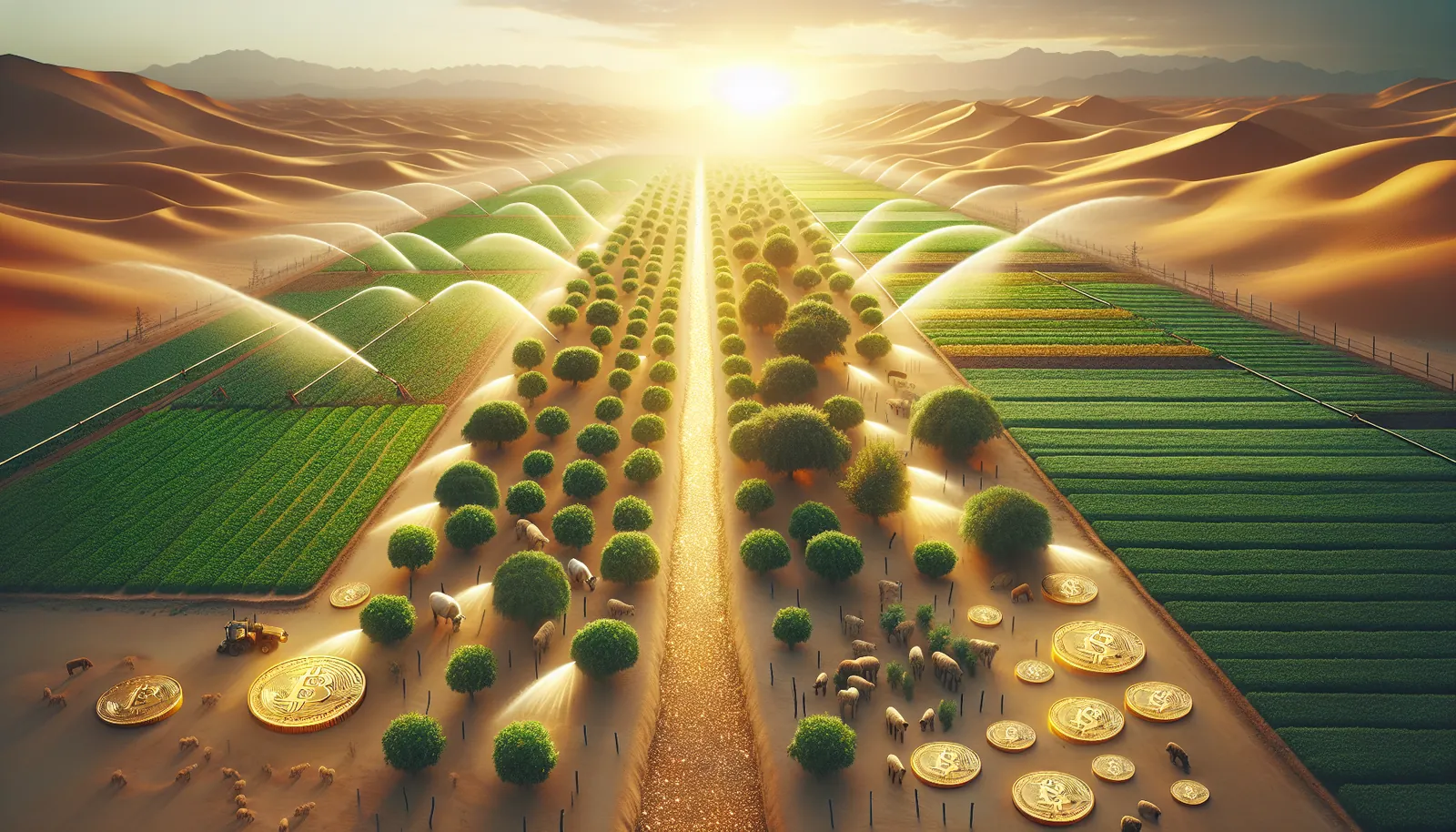
The commercial revenue from livestock sales doesn't stay on the farm — it flows into Umma Foundation's global humanitarian operations. Meat sales in one country fund food distribution, medical aid, and emergency relief in others.
That's the model: agriculture that feeds locally and funds relief globally.