Water Wells vs Sustainable Agriculture: Two Paths to Sadaqah Jariyah Compared
UMMA Farm Team

The Traditional Model: Water Wells
For decades, the default sadaqah jariyah project has been the water well. And for good reason — clean water saves lives. A well can serve a community for 15-20 years, providing daily benefit to hundreds of people.
The average cost of a water well in Africa ranges from $3,000 to $15,000 depending on depth and location. It's a proven model with clear, measurable impact.
The Emerging Model: Sustainable Agriculture
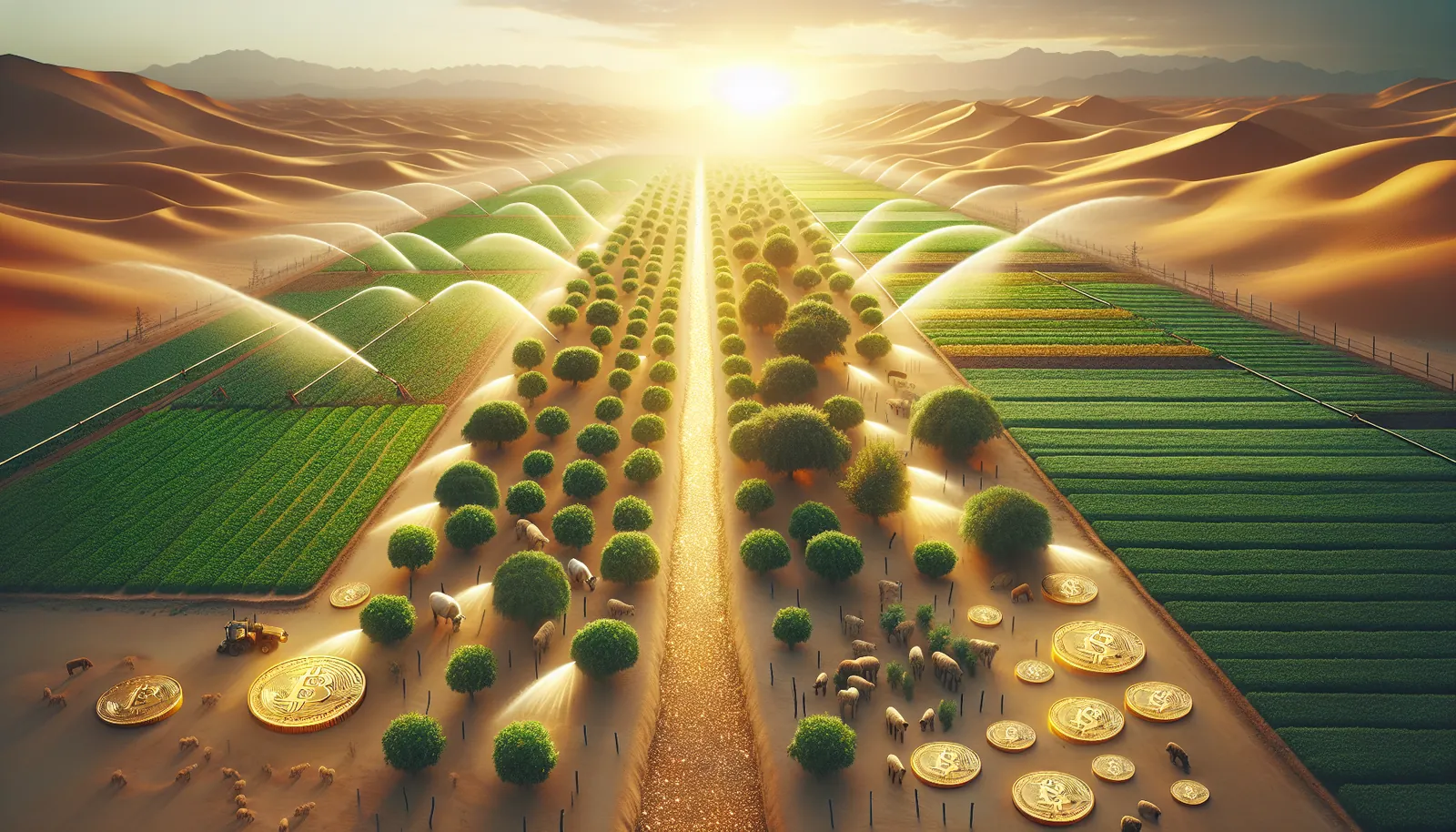
But there's another form of sadaqah jariyah that's been overlooked: agricultural investment. When you fund a farm that produces food year after year, you create ongoing benefit that rivals — and in some ways surpasses — a water well.
The Prophet (peace be upon him) said: "There is no Muslim who plants a tree or sows a seed, and then a bird, or a person, or an animal eats from it, except that it is regarded as charity for him." (Bukhari & Muslim)
Head-to-Head Comparison
Water Well
- Lifespan: 15-20 years
- Beneficiaries: One community (typically 200-500 people)
- Output: Clean water
- Revenue generation: None — requires maintenance funding
- Scalability: Each well is a separate project requiring new funding
Sustainable Agriculture (UMMA Farm Model)
- Lifespan: Perennial trees produce for 30-100+ years; livestock breeds continuously
- Beneficiaries: Multiple communities through food distribution + humanitarian relief funded by revenue
- Output: Food production (crops, livestock, fruit) + revenue
- Revenue generation: Yes — commercial sales fund ongoing operations AND humanitarian programs
- Scalability: Revenue from existing operations funds expansion without new donations
The Self-Sustaining Advantage
Here's what makes agricultural sadaqah jariyah unique: it generates its own funding. A water well needs periodic maintenance donations. A farm produces food AND revenue — meaning your initial investment keeps working without requiring more money.
At UMMA Farm, the model works in three layers:
- Direct food production: Crops and livestock feed families in need
- Commercial revenue: Surplus production is sold, generating income
- Humanitarian funding: Revenue funds Umma Foundation's global relief operations
Why Not Both?
The best approach isn't choosing one over the other — it's recognizing that agriculture encompasses water infrastructure too. UMMA Farm's water infrastructure campaign builds irrigation systems that serve both the farm's production AND the surrounding community's water needs.