What Is Waqf? The Islamic Endowment That Funds Charity Permanently
UMMA Farm Team
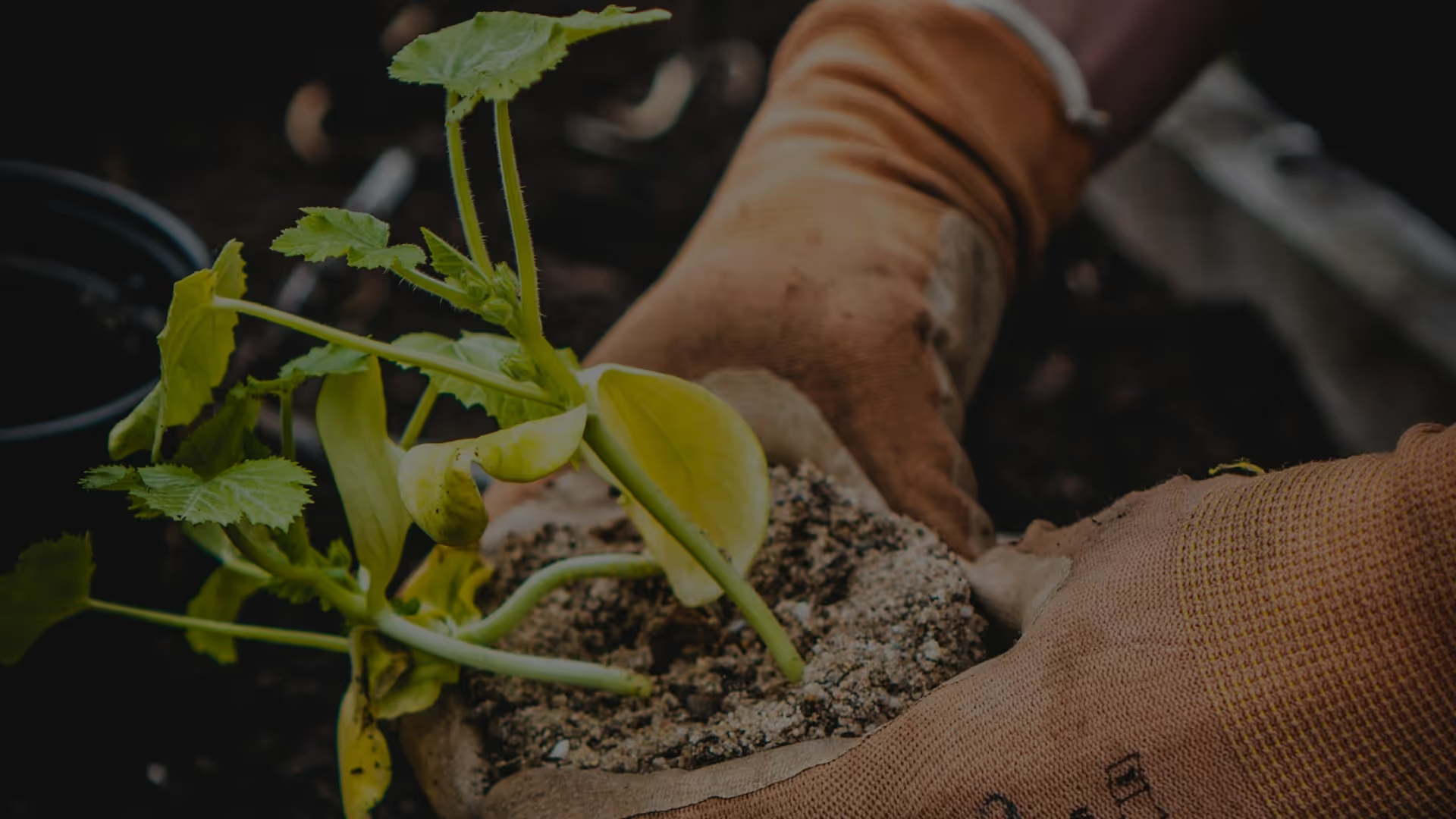
Waqf: Charity That Lasts Forever
Waqf (وقف) is the Islamic practice of endowment — permanently dedicating an asset so that its income or produce benefits a charitable cause indefinitely. The asset itself is never sold, consumed, or given away. Only its returns are distributed.
Historically, Waqf built and sustained the Muslim world's greatest institutions: universities, hospitals, mosques, water systems, and public infrastructure. The concept is simple but powerful: preserve the capital, distribute the returns.
Waqf is distinct from Sadaqah (which is consumed immediately) and Zakat (which is obligatory). Waqf is voluntary, permanent, and self-sustaining — making it one of the most sophisticated charitable instruments in Islamic tradition.
How Waqf Works
A Waqf has three essential components:
- The Asset (Mawquf) — The property or resource dedicated as Waqf. Traditionally land, buildings, or productive property. The asset is locked — it cannot be sold, inherited, or transferred.
- The Beneficiary (Mawquf Alayh) — Who receives the benefit. Can be specific (a mosque, a school) or general (the poor, orphans, humanitarian relief).
- The Purpose — Must be charitable and in accordance with Islamic principles. The purpose is defined at the time of establishment and is permanent.
Once established, a Waqf is irrevocable. The asset generates returns — rental income, agricultural production, investment returns — and those returns flow to the designated beneficiaries perpetually.
Agricultural Waqf: The Original Endowment Model
The earliest and most common Waqf assets were agricultural land. The Caliph Umar ibn Al-Khattab (RA) established one of the first documented Waqf when he was given land in Khaybar and the Prophet ﷺ advised him: "If you wish, you may hold it as an endowment and give its produce in charity."
Agricultural land is the ideal Waqf asset because:
- It's permanent — Land doesn't depreciate or expire
- It's productive — It generates food, income, or both every year
- It's tangible — You can see, visit, and verify the asset
- It compounds — Trees mature, soil improves, systems optimize over time
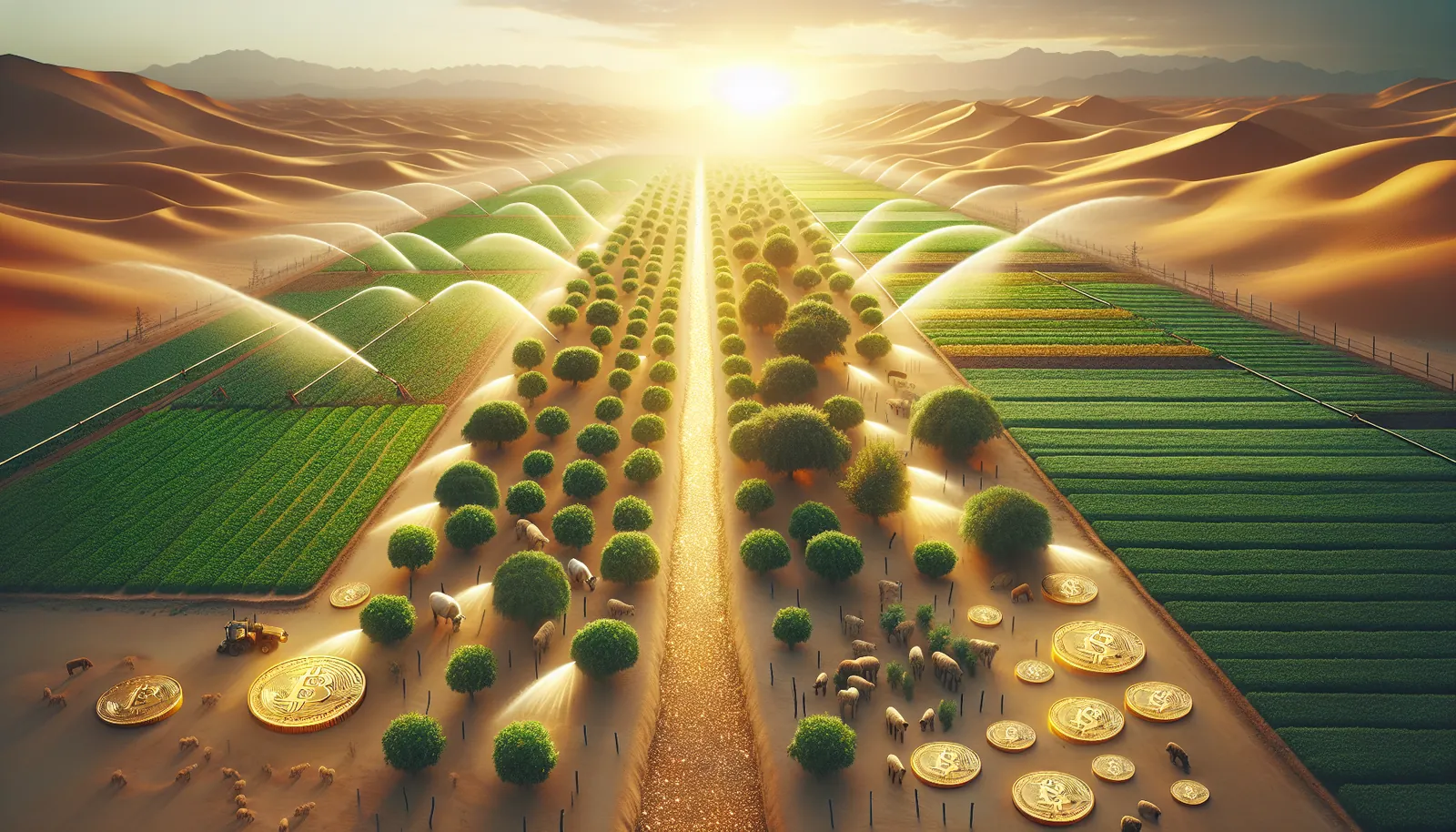
UMMA Farm operates on this same principle. 8,000 acres of agricultural land producing food and revenue that funds humanitarian relief — designed not for a single campaign cycle, but for decades of continuous impact.
The History and Scale of Waqf
At its peak, Waqf represented a massive portion of economic activity in the Muslim world:
- Ottoman Empire: One-third of all land was Waqf property
- Egypt: Waqf funded Al-Azhar University for over 1,000 years
- Morocco: Waqf maintained water systems, roads, and public institutions
- India: Waqf properties still exist today from centuries ago
The decline of Waqf in the modern era — through colonization, nationalization, and neglect — has been one of the great losses to the Muslim world's institutional resilience. Reviving the Waqf tradition through modern, transparent, and productive models is essential to rebuilding that resilience.
How to Contribute to Waqf Today
Modern Waqf doesn't require you to donate an entire property. You can contribute to a collective Waqf — pooling resources with others to build a productive asset whose returns serve charitable purposes permanently.
When evaluating Waqf opportunities, look for:
- Productive assets — Is the Waqf generating real returns? (Agriculture, real estate, investments)
- Transparent governance — Who manages the asset? How are returns distributed?
- Clear beneficiaries — Who benefits and how?
- Track record — Is the asset already producing, or is it speculative?
The best Waqf is one that you can verify is working — where the asset is tangible, the returns are measurable, and the impact is visible. Agricultural Waqf, where land is producing food and funding relief, offers exactly that level of clarity.